Listeners:
Top listeners:
-
 play_arrow
Rother Radio (128K) Love Local, Love Music!
-
play_arrow
Rother Radio (64K) Love Local, Love Music!
-
play_arrow
Rother Radio (South Yorkshire) (64K) Love Local, Love Music!
-
play_arrow
Rother Radio (South Yorkshire) (128K) Love Local, Love Music!
-
play_arrow
Rother Radio (Doncaster) (64K) Love Local, Love Music!
-
play_arrow
Rother Radio (Doncaster) (128K) Love Local, Love Music!
-
 play_arrow
Rother Radio Xmas Love Local, Love Music!
-
play_arrow
Rother Radio – Special Announcement Love Local, Love Music!
radio



Report identifies ‘clear failings’ in care for frail adults

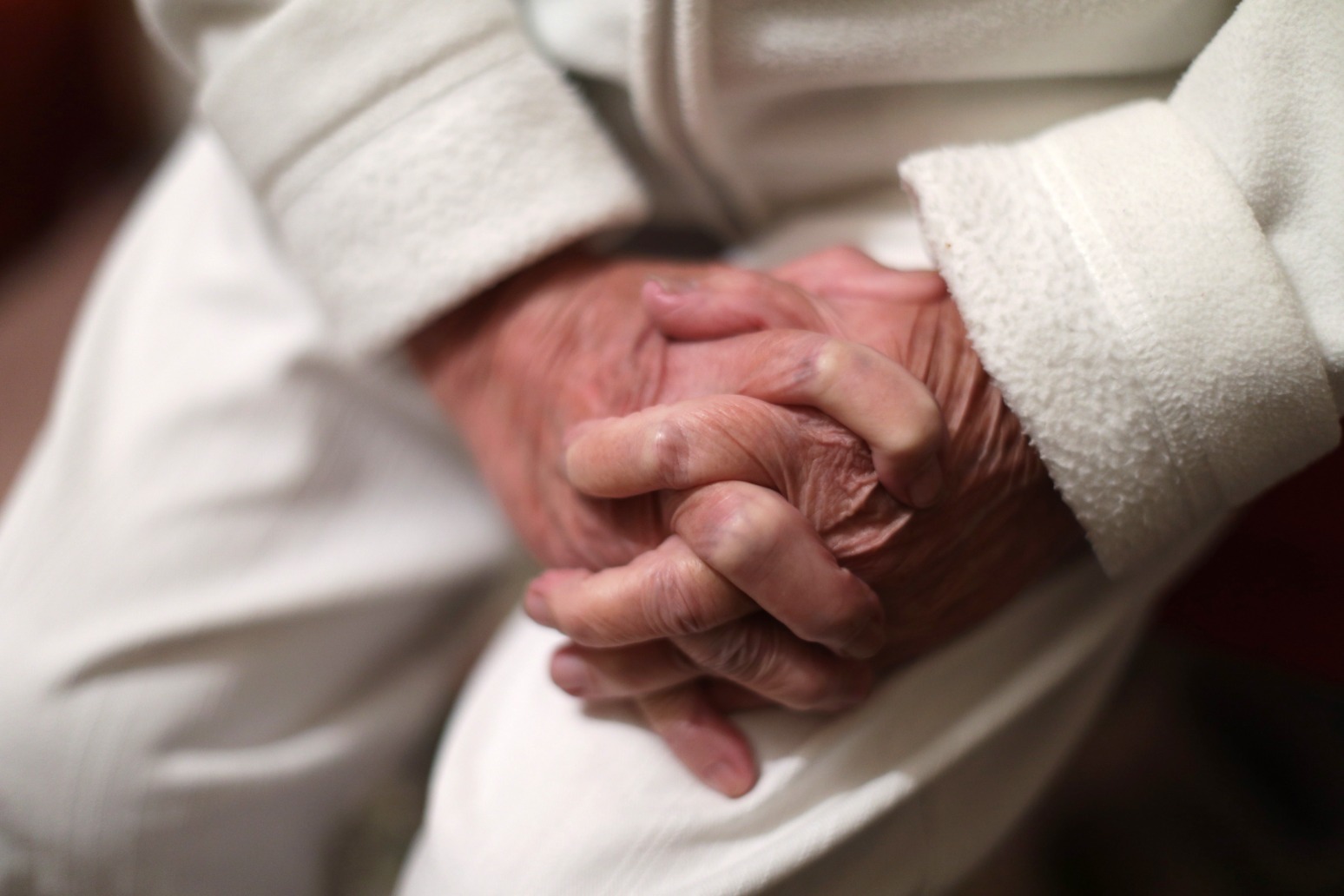
A significant number of elderly people with frailty are not getting follow-up support they need after diagnosis, according to a new review.
There are also “substantial variations” in care depending on where people live, experts found.
Frailty occurs among older people who are at highest risk of disability, falls, hospital admission and the need for long-term care.
Estimates suggest there are 1.5 million people living with moderate or severe frailty in England.
A new National Audit Office (NAO) report examined how the health service looks after people diagnosed with frailty before they reach a medical crisis or need to be admitted to hospital.
The NAO report highlights how the number of people over the age of 65 assessed for frailty has not yet reached the levels seen before the pandemic.
And when people are diagnosed with severe frailty GPs are “failing to provide the required levels of follow-up support”, the NAO added.
The report highlights how 226,000 patients were diagnosed with severe frailty in 2024/25 but of these only 16% had a medication review and 18% had a falls risk assessment.
It adds that there is “significant and unexplained local variation” in the proportion of people being assessed for frailty and the support that they receive.
In some local areas just one in 10 people over 65 are assessed, compared with 90% in other regions.
“There is also wide local variation in the support provided to people diagnosed with severe frailty,” the authors add.
The report concludes: “Early diagnosis of frailty, along with the right support, can slow its progression and delay loss of independence, enabling older people to live longer and healthier lives.
“Despite DHSC’s and NHSE’s recognition of the importance of earlier identification and care, there are clear failings in how GPs assess and support people living with frailty, with worrying unexplained variation in practice across England.
“The NHS needs a greater focus on slowing frailty and maintaining independence for the sake of individuals as well as measuring the impact on hospitals.”
Sir Geoffrey Clifton-Brown, chairman of the Public Accounts Committee, said: “Frailty can be detrimental to the health of those affected and results in significant costs to the healthcare system.
“Specific initiatives have so far been fragmented, with a lack of evidence to suggest that they are working together effectively and no real understanding of their impact on people’s health.
“I also note a number of worrying trends: GPs are not providing the required follow-up support after diagnosis and there are substantial levels of local variation in patient care that cannot be explained.”
Caroline Abrahams, charity director at Age UK, said: “Older people living with frailty need and deserve high quality, proactive support from health and care services and this report from the NAO shows that they are not able to expect it.”
A Department of Health and Social Care spokesperson said: “We inherited a situation where too many elderly people had been failed by the health and care system but are working at pace to ensure older people can live well for longer with the care and support they need.”
An NHS spokesperson said: “While we know GP teams are already delivering millions more appointments a year compared to before the pandemic, it is vital that GPs fulfil their contractual requirements to ensure that frail patients over the age of 65 have the support they need.
“We will use this report’s findings to help ensure that we can provide care for an ageing population in a sustainable way.”
Professor Victoria Tzortziou-Brown, chairwoman of the Royal College of GPs, said: “For too long, political priorities have focused overwhelmingly on rapid access, with important interventions such as structured medication reviews deprioritised.
“This often, unfortunately, comes at the expense of the long-term, continuous care that older people with complex health needs require.
“Effective frailty management needs both time and access to well-resourced multi-disciplinary and community services working alongside general practice.”
Published: by Radio NewsHub


On Air Now

Wayne Cubitt
The Drive Home
Join Wayne for The Drive Home playing the greatest mix of music and keeping you up to date with the latest on the roads, public transport and more.
closeWeather
Rotherham-º -
- -
- -
- ---
--- ----------
Upcoming Local Event