Listeners:
Top listeners:
-
 play_arrow
Rother Radio (128K) Love Local, Love Music!
-
play_arrow
Rother Radio (64K) Love Local, Love Music!
-
play_arrow
Rother Radio (South Yorkshire) (64K) Love Local, Love Music!
-
play_arrow
Rother Radio (South Yorkshire) (128K) Love Local, Love Music!
-
play_arrow
Rother Radio (Doncaster) (64K) Love Local, Love Music!
-
play_arrow
Rother Radio (Doncaster) (128K) Love Local, Love Music!
-
 play_arrow
Rother Radio Xmas Love Local, Love Music!
-
play_arrow
Rother Radio – Special Announcement Love Local, Love Music!
radio



One in four children starting reception not toilet trained, survey finds

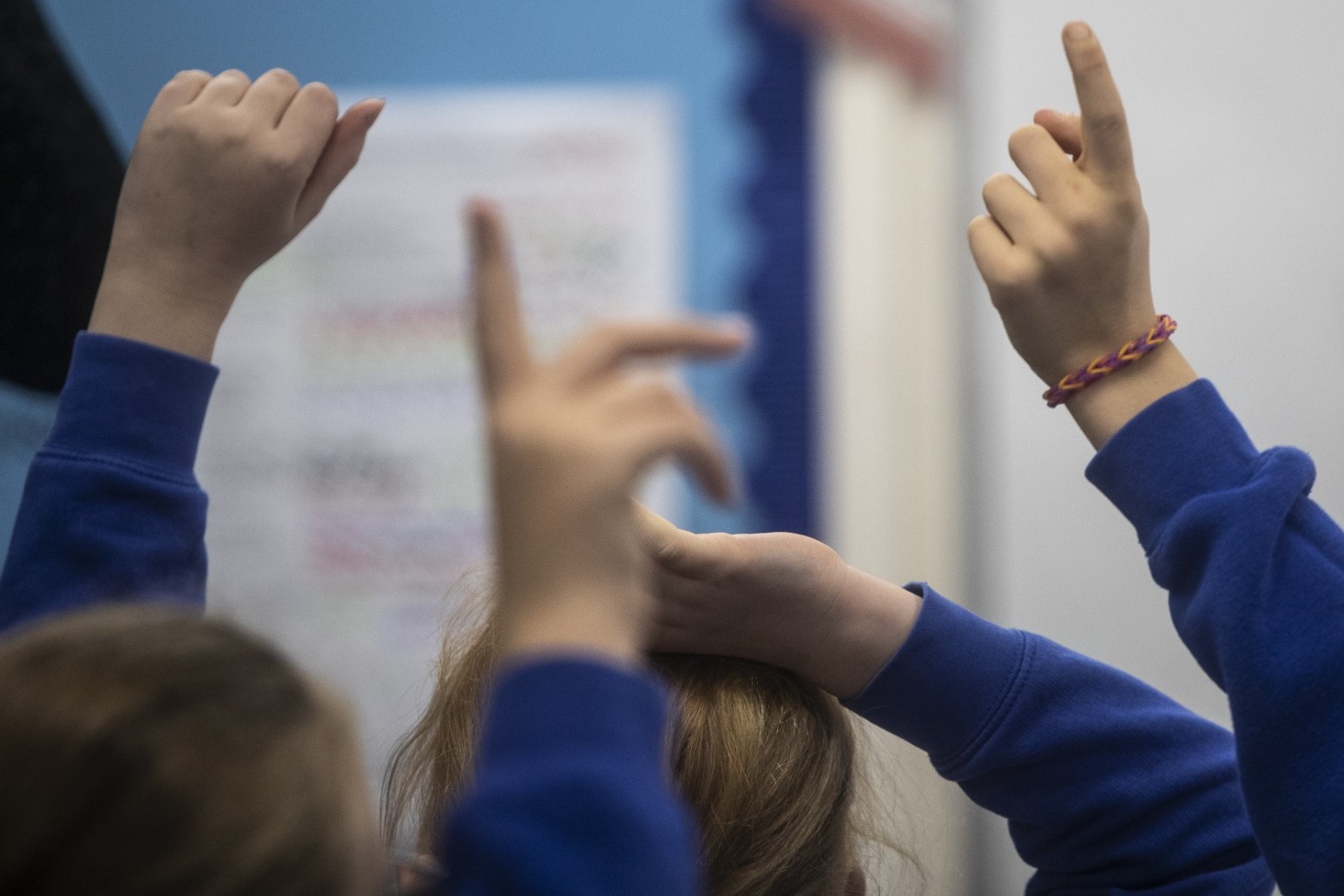
Around one in four children who started reception in 2025 were not toilet trained, a survey of teachers has found, amid warnings more children are struggling with basic life skills.
In an annual survey of primary school staff by early years charity Kindred Squared, teachers estimated 26% of the children in their reception class this year were having frequent toilet mishaps, rising to over one in three (36%) in the North East.
Kindred Squared is warning more and more children are arriving at the school gate “without the basic life skills needed to engage with the curriculum”.
Staff also report around 28% of children started school unable to eat and drink independently, and 25% were struggling with basic life skills.
It comes amid a Government push to increase the proportion of children arriving in reception “school ready” – meaning they have hit certain developmental milestones such as basic language skills, being able to eat, go to the toilet, and dress themselves independently, and being able to sit, play and listen.
However, Kindred’s survey of 1,000 primary staff found they estimated more than one in three (37%) children are starting reception not school ready, up from 33% in 2024.
Sharper drops in school readiness were reported by teachers in the the North East, West Midlands, and North West.
Staff estimated they are spending 1.4 hours a day changing nappies or helping children who are not toilet trained, and in total lost 2.4 hours teaching time a day due to pupils lacking basic skills.
Kindred Squared chief executive Felicity Gillespie said: “The state of school readiness has reached a critical moment with 37% of children now arriving at the school gate without the basic life skills needed to engage with the curriculum.”
“This is no longer just a classroom issue; it is a systemic crisis fuelled by stretched school resources, low expectations, the rising cost of living, and by parents who lack the right information and understanding early enough to truly support their children’s development,” she added.
The Government has set a target for 75% of children to be school ready by 2028. In the latest Department for Education figures, 67.7% of children were judged to have a good level of development by the end of reception in 2023/24.
Staff also reported that around 28% of children were not able to use books correctly – for example, they were trying to swipe or tap them like a phone or tablet.
Over half of staff said children’s and parents’ excessive screentime was a key factor in children not being ready for school.
However, in a survey of 1,000 parents of four and five-year olds, 88% said their child was ready to start school this year, and more than one in three (35%) said their child was more ready than most children.
Nearly all parents (94%) said they would like to see national guidance on making sure their child is school ready.
Paul Whiteman, general secretary of school leaders’ union NAHT, said: “The findings of this survey reflect what we are hearing from our members – school leaders are reporting increasing numbers of children starting school without basic ‘school readiness’ skills, like being toilet trained.
“More support before children start school in the early years is crucial – both for pupils and for families. As this report points out, it can be overwhelming for parents to know where to start and what to prioritise. Early identification and intervention to support children with SEND would also make a big difference – increasing levels of Send will be partly causing these rising numbers.
“We have welcomed this Government’s commitment to early years and its investment in family hubs and funded childcare hours – it is measures like these that will really make a difference. However, this must be just the start after years of under-investment in community and health services under the previous government – more support is still desperately needed, especially as levels of need rise.”
The Government has been focusing investment in the early years as part of its opportunity mission.
It has distributed £12 million across 65 local areas to build Best Start family hubs, which will offer parenting support and youth services.
Pepe Di’Iasio, general secretary of the Association of School and College Leaders (ASCL), said “there is very obviously a huge problem with children not being ready for school when they start in reception”.
He said the rollout of family and childcare expansion are the right things, but are not quick fixes amid the decline of local support services over the past 15 years.
Published: by Radio NewsHub



 -
- -
- -
- -
- -
-