Listeners:
Top listeners:
-
 play_arrow
Rother Radio (128K) Love Local, Love Music!
-
play_arrow
Rother Radio (64K) Love Local, Love Music!
-
play_arrow
Rother Radio (South Yorkshire) (64K) Love Local, Love Music!
-
play_arrow
Rother Radio (South Yorkshire) (128K) Love Local, Love Music!
-
play_arrow
Rother Radio (Doncaster) (64K) Love Local, Love Music!
-
play_arrow
Rother Radio (Doncaster) (128K) Love Local, Love Music!
-
 play_arrow
Rother Radio Xmas Love Local, Love Music!
-
play_arrow
Rother Radio – Special Announcement Love Local, Love Music!
radio



Baby monitors and CCTV cameras – Thirlwall Inquiry issues recommendations

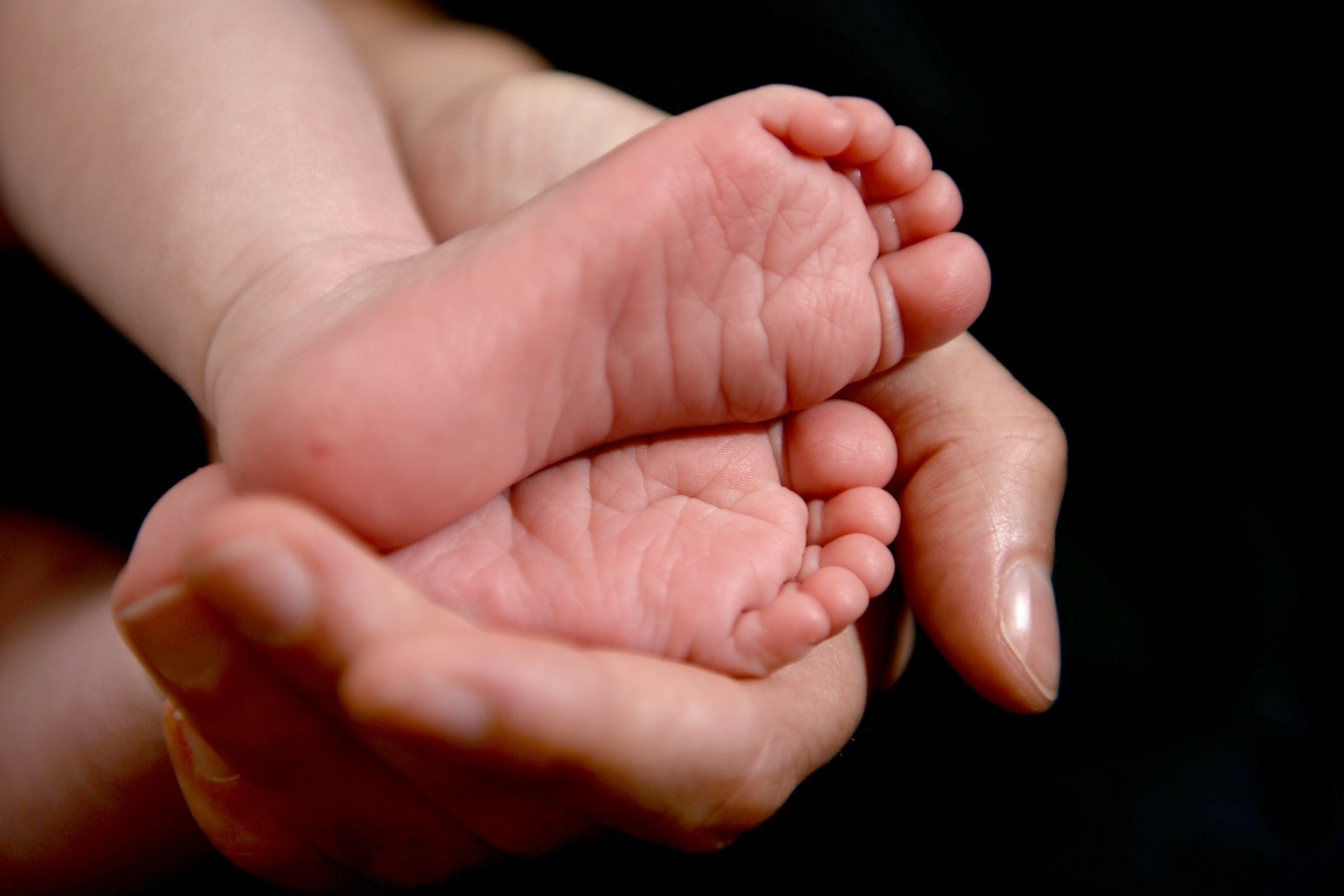
A total of 14 recommendations have been made in the Thirlwall Inquiry report – including the fitting of baby monitors in all cots and incubators in neonatal units and CCTV cameras focused on insulin storage fridges.
The recommendations follow the conclusions made by inquiry chairwoman Lady Justice Thirlwall, who said the collapse and deaths of some babies could have been avoided if safeguarding practices had been followed.
She said baby monitors would ensure parents could observe their babies “remotely at any time” – adding that NHS England should “set out a road map” for how it could be implemented by March 31 next year.
The senior judge said the cost of the implementation should be “centrally managed and ring-fenced” so it could be rolled out “at speed”.
The inquiry’s chairwoman also said digital devices should be used to “restrict access of insulin to authorised people”, as well as recording access to insulin units.
She said until the devices had been rolled out, which she said must happen by March 31 next year, NHS trusts should “install CCTV cameras focused on storage fridges, cupboards or units”, with recordings kept for at least 28 days.
Trusts should also be able to demonstrate that proposed moves of senior managers to other trusts are not based on a “lack of capability or misconduct”, the report said.
Lady Justice Thirlwall recommended all managers be subject to an “individual duty of candour to all patients and colleagues”, and that a code of conduct for senior managers should “set out, at the beginning, the uncontroversial duty of every manager to put patients first”.
In another recommendation, the senior judge said trusts must provide safeguarding training to all staff, including board members and non-executive directors.
The inquiry chairwoman said the training should include how to deal with “concerns and suspicions about deliberate harm caused by staff”.
She added that all staff contracts should include an “obligation on the employee to follow all relevant safeguarding guidance” by March next year.
The report also included a recommendation that by the same date, trusts should have effective methods in place to monitor deaths of children and babies, as well as a “predetermined route to senior management for the escalation of concerning data trends or patterns”.
Lady Justice Thirlwall also recommended NHS England produce a one-page protocol of steps managers should take if concerns are raised about a healthcare professional deliberately harming a patient.
The senior judge said the protocol should dictate that suspicions be acted upon “immediately”, the accused person should be moved as a “first step” while pending investigation, and safeguarding steps should be followed which would lead to police involvement.
The report said the protocol should be accompanied by guidance that would mean the reader would be “directed to guard against their own biases, loyalties and prejudices”.
Lady Justice Thirlwall urged the Department of Health and Social Care (DHSC) to consider setting up a panel of independent experts who could be called upon if concerns are raised about an individual harming patients.
She said the make-up of the panel could include two doctors and two nurses, four senior managers and four pathologists, as well as other experts decided by DHSC – adding that they could be called as a witness in “any proceedings that may follow”.
Another of the recommendations said there should be a “clear and timed route” to ensure “harmonised ” computer systems across the NHS by December 2028 – meaning data relating to babies could be “reviewed in a timely manner” and could be continually monitored.
The inquiry’s chairwoman also recommended that the health watchdog carry out without-notice inspections of hospital departments, with inspectors told to “not accept what they are told at face value”.
In her recommendation to the Care Quality Commission (CQC), she said: “Inspectors and team leaders must always approach an inspection of neonatal services not as a box-ticking exercise but as a way to determine that babies in hospital are safe.”
Published: by Radio NewsHub


On Air Now

Wayne Cubitt
The Drive Home
Join Wayne for The Drive Home playing the greatest mix of music and keeping you up to date with the latest on the roads, public transport and more.
closeWeather
Rotherham-º -
- -
- -
- ---
--- ----------
Upcoming Local Event