Listeners:
Top listeners:
-
 play_arrow
Rother Radio (128K) Love Local, Love Music!
-
play_arrow
Rother Radio (64K) Love Local, Love Music!
-
play_arrow
Rother Radio (South Yorkshire) (64K) Love Local, Love Music!
-
play_arrow
Rother Radio (South Yorkshire) (128K) Love Local, Love Music!
-
play_arrow
Rother Radio (Doncaster) (64K) Love Local, Love Music!
-
play_arrow
Rother Radio (Doncaster) (128K) Love Local, Love Music!
-
 play_arrow
Rother Radio Xmas Love Local, Love Music!
-
play_arrow
Rother Radio – Special Announcement Love Local, Love Music!
radio



State pensioners set to breach tax threshold under ‘triple lock’ boost

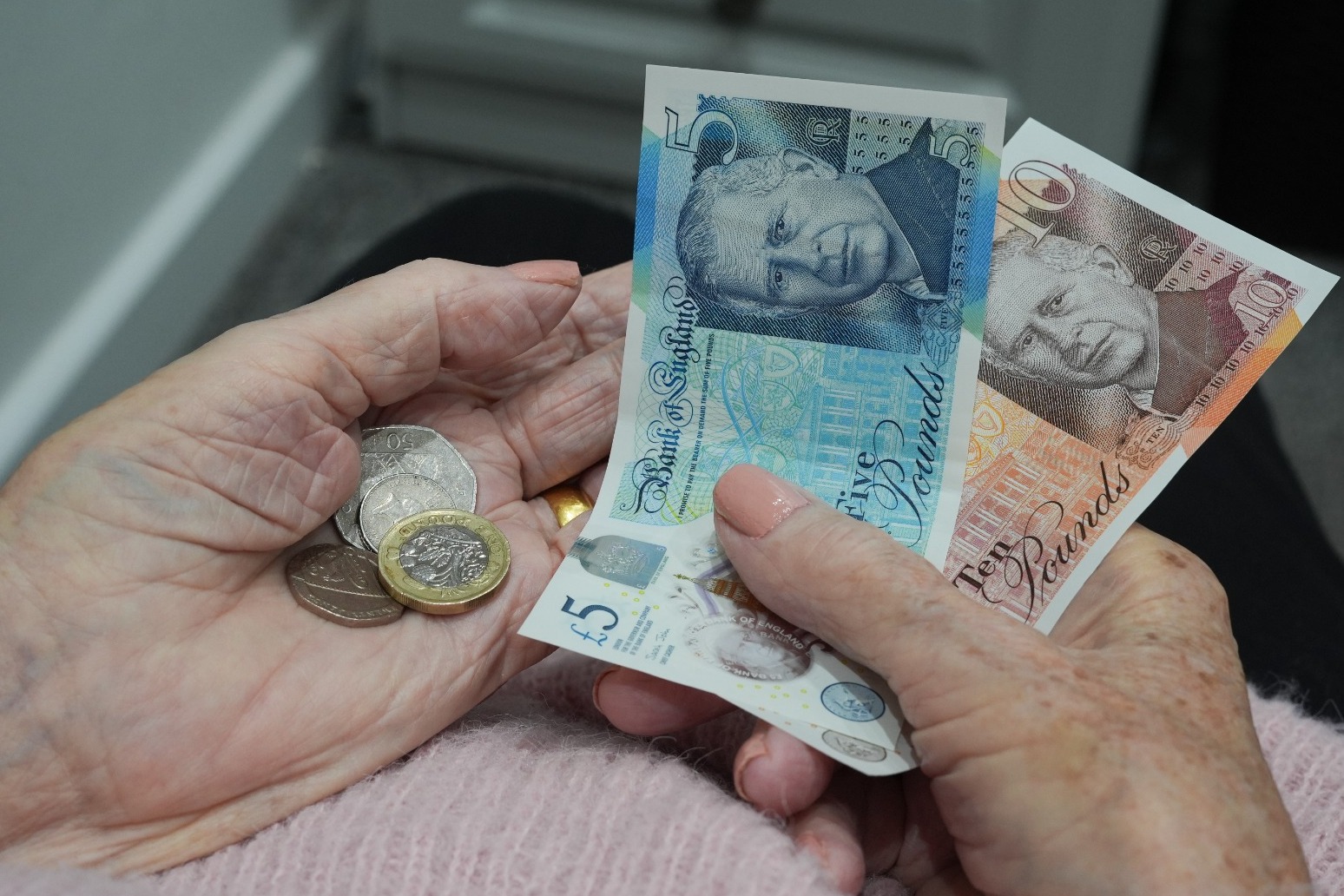
People relying solely on the full new state pension are on course to breach the personal tax allowance for the first time after official earnings data put some pensioners in line for a potential rise of nearly £500 a year from next April.
Under the triple lock guarantee, the state pension increases every April in line with whichever is the highest of total earnings growth in the year from May to July of the previous year, CPI (Consumer Prices Index) inflation in September of the previous year, or 2.5%.
But there were some suggestions that cracks in support for the triple lock policy may be revealed as pensioners are pushed over the personal allowance – and that pressure could rise to increase the state pension age, to help balance the costs.
The latest figures from the Office for National Statistics (ONS) showed total wage growth, including bonuses, stood at 3.9% in the quarter to July, down from 4.2% in the three months to June.
However, these figures are subject to revision and the final piece of the triple lock puzzle will not come until inflation figures for September are published in October.
Inflation currently stands at 2.9%, but figures on Wednesday are expected to reveal it jumped to 3.2% in August on the back of soaring fuel prices caused by the Iran war, according to Pantheon Macroeconomics.
If earnings growth is confirmed at 3.9%, this could add £9.40 a week to the full new state pension, taking it to £250.70, an increase of just under £500 per year, to around £13,036, according to experts.
With the personal tax allowance having been frozen at £12,570 since 2021, it means state pensioners will be caught within the tax net for the first time.
The full “old” state pension could potentially increase to around £192.10 per week, reaching around £9,989 per year, if state pensions rise in line with earnings.
The Government has so far said pensioners who are wholly dependent on the new state pension – with no private pension – or the old “basic” pension, “with no increments”, will not have to pay tax, but pension experts said that how the policy will work is not yet clear.
Former Liberal Democrat pensions minister Sir Steve Webb, who is now a partner at consultants LCP (Lane Clark & Peacock), warned the Government’s move to create a “tax amnesty” for pensioners will only protect one in 16 retirees.
Sir Steve said: “Those on the new state pension can expect to see an increase of nearly £500 per year next April.
“But the sting in the tail is that this will take the standard rate of the new state pension above the tax threshold.
“The Government’s plans to address this point are a mess, and likely to benefit only a small fraction of pensioners.
“They will also create unfairness between different groups of pensioners and between pensioners and low-paid workers, who do not qualify for any exemption.”
Rachel Vahey, head of public policy at AJ Bell, said: “Although we still need to see September’s inflation figure and any revisions to July’s earnings growth before we know for definite how much it will increase by in 2027, it’s looking very likely that the value of the full new state pension will surge past £13,000 – and the personal allowance – for the first time.”
She added: “The Government has said people in receipt of state pension income only above the personal allowance will not have to pay income tax on the benefit, although details on exactly how this will work remain thin on the ground.
“Up to now, politicians of all stripes have pledged allegiance to the triple lock.
“But as Chancellor John Healey drafts Budget plans on how the UK can face up to its fiscal challenges, it could be that cracks in this cast-iron support may start to show.
“The longer this unexploded fiscal bomb is left untouched, the harder it will be to defuse – and the greater the chance proposed state pension age increases will need to be accelerated to balance the books.
“A sensible approach would be to set a target for the triple lock policy, most likely a value of the state pension as a proportion of median earnings, and then a pledge to peg state pension increases to earnings growth or inflation.
“Any party that wanted to oppose such an approach would need to present a credible alternative, and keeping the triple lock forever certainly doesn’t fit with the Government’s desire for long-term fiscal responsibility.”
Ms Vahey said: “Collecting the little bits of tax owed from millions of pensioners was always going to be an administrative headache for the government. So it’s no wonder they’ve put their tax-collecting thinking caps on to find ways to avoid it.
“How this policy will work and how any tax will be collected remains to be seen.”
Jenny Holt, customer savings and investment director at Standard Life said: “The triple lock has played an important role in protecting the value of the state pension over time, and an earnings-linked increase would mean pensioners sharing in wage growth across the wider economy.
“At the same time, another increase above inflation is likely to add to the debate about the longer-term affordability of the triple lock, which has come under renewed focus over the past few weeks.
“There is a balance to strike between protecting pensioner incomes and ensuring the state pension remains sustainable over the long term.
“Whatever approach is taken, giving people clarity and confidence about what they can expect from the state pension is important, particularly when they are making decisions about how much they need to save privately for retirement.
“It also underlines why it is important for people approaching or already in retirement to look at their income as a whole.
“Understanding what you are likely to receive from the state pension alongside workplace or private pensions and other savings – and how that income interacts with tax thresholds – can give you a much clearer picture of what you will actually have available to spend in retirement.”
Published: by Radio NewsHub


On Air Now

Non-Stop Music!
Rother Radio, Non-Stop!
Rother Radio plays the best variety of music, non-stop!
closeWeather
Rotherham-º -
- -
- -
- ---
--- ----------
Upcoming Local Event